Finding Ciro
Italy's first Dinosaur

In a series of shameless plugs, I thought it a good idea to begin teasing a few stories from my forthcoming book, “This Beautiful Country” being published in September with Chelsea Green (and in Italian under the title “L’Italia nascosta” with Mondadori). Without wishing to give it all away here for free, I’ve abridged these excerpts to give a flavour of what to expect, and hopefully convince some of you to pre-order the book.
In this first excerpt I’m going back 113 million years to the Cretaceous to tell the amazing story of Ciro, not only the first complete dinosaur fossil discovered in Italy, but one of the world’s most detailed. It also gives me an opportunity to expand on some of some of the imagery around the story which I wasn’t able to include in the book. I fully recommend a visit to Benevento to see Ciro for real.
Enjoy.
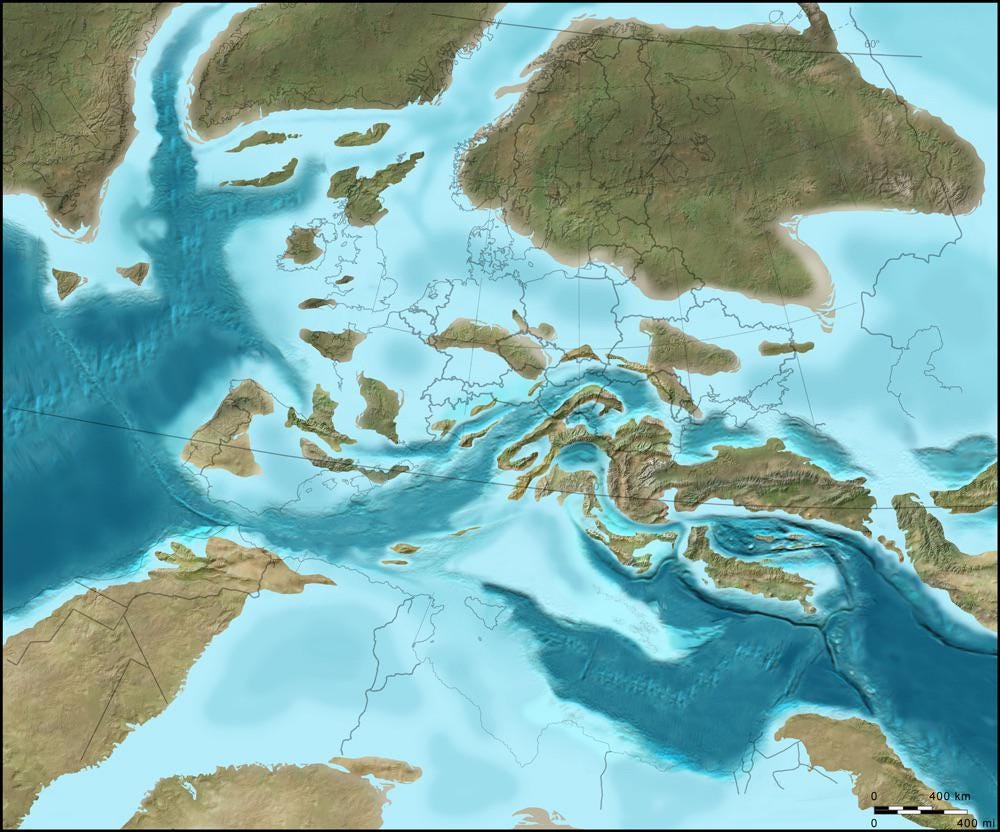
For most of its geological history, Italy lay underwater. Its richest fossils therefore come from the sea: the traces of marine creatures that inhabited ancient oceans, preserved in limestone, mudstone and sandstone.
However, Italy’s fossil record is far from complete. Volcanic eruptions, tectonic upheaval, erosion and repeated uplift have erased or deformed many of the layers in which ancient life would ordinarily be preserved. The story survives only in scattered bursts across hundreds of millions of years.
The gaps were so extensive that, until surprisingly recently, scientists believed dinosaurs had never permanently inhabited Italian soil.
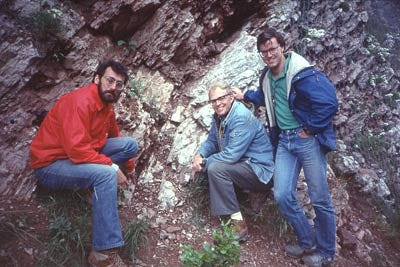
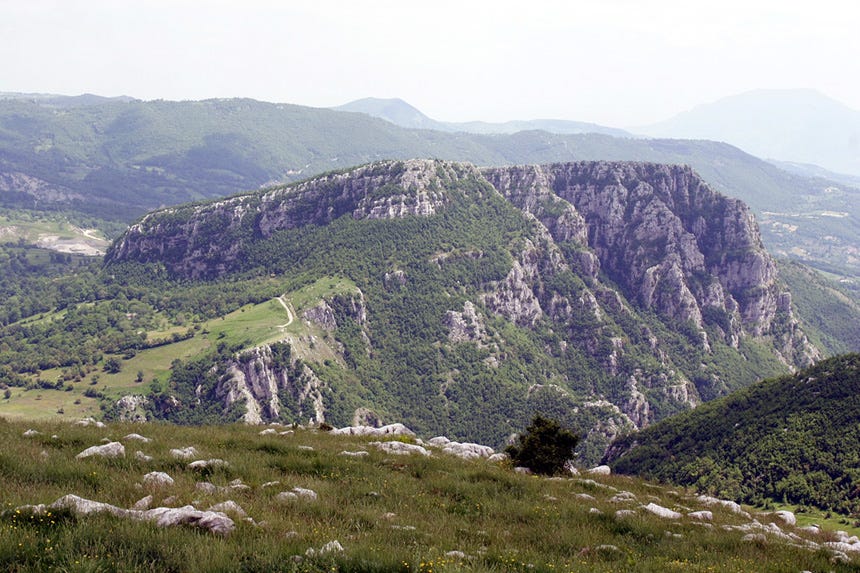
Italy’s most significant contribution to their history seemed instead to concern their extinction. In 1979, in the Bottaccione Gorge near Gubbio, geologist Walter Alvarez identified a thin layer of iridium-rich clay between two bands of limestone. It was evidence of the global fallout from the asteroid impact that ended the Cretaceous period 66 million years ago and, with it, the age of the dinosaurs.
Occasional footprints discovered in Tuscany and the Alps suggested that dinosaurs might once have passed through, but nobody had ever found a single bone.
Then, in November 1980, an amateur fossil hunter named Giovanni Todesco and his family visited a quarry above Pietraroja, a small village in the Matese mountains of Campania, and the story changed forever.
Pietraroja is one of Italy’s few Lagerstätten: exceptionally rare fossil sites where ancient organisms have been preserved in extraordinary detail. Most of its known fossils are fish, entombed in the soft mud of a warm Cretaceous lagoon 113 million years ago.
Giovanni had recently been transferred from Verona to southern Italy for work. Exploring the quarry with his wife and two children, he came across a demolition crew pulverising fossil-bearing limestone to make road fill. The family quickly began rescuing whatever they could.
Working against the digger, Giovanni grabbed several slabs. One carried a faint dark mark only a few millimetres long, nothing especially remarkable, but he took it nevertheless.
“We returned home in silence,” he later recalled, “sad for what had been destroyed, but happy to have saved something, even if we didn’t yet know what it was.”
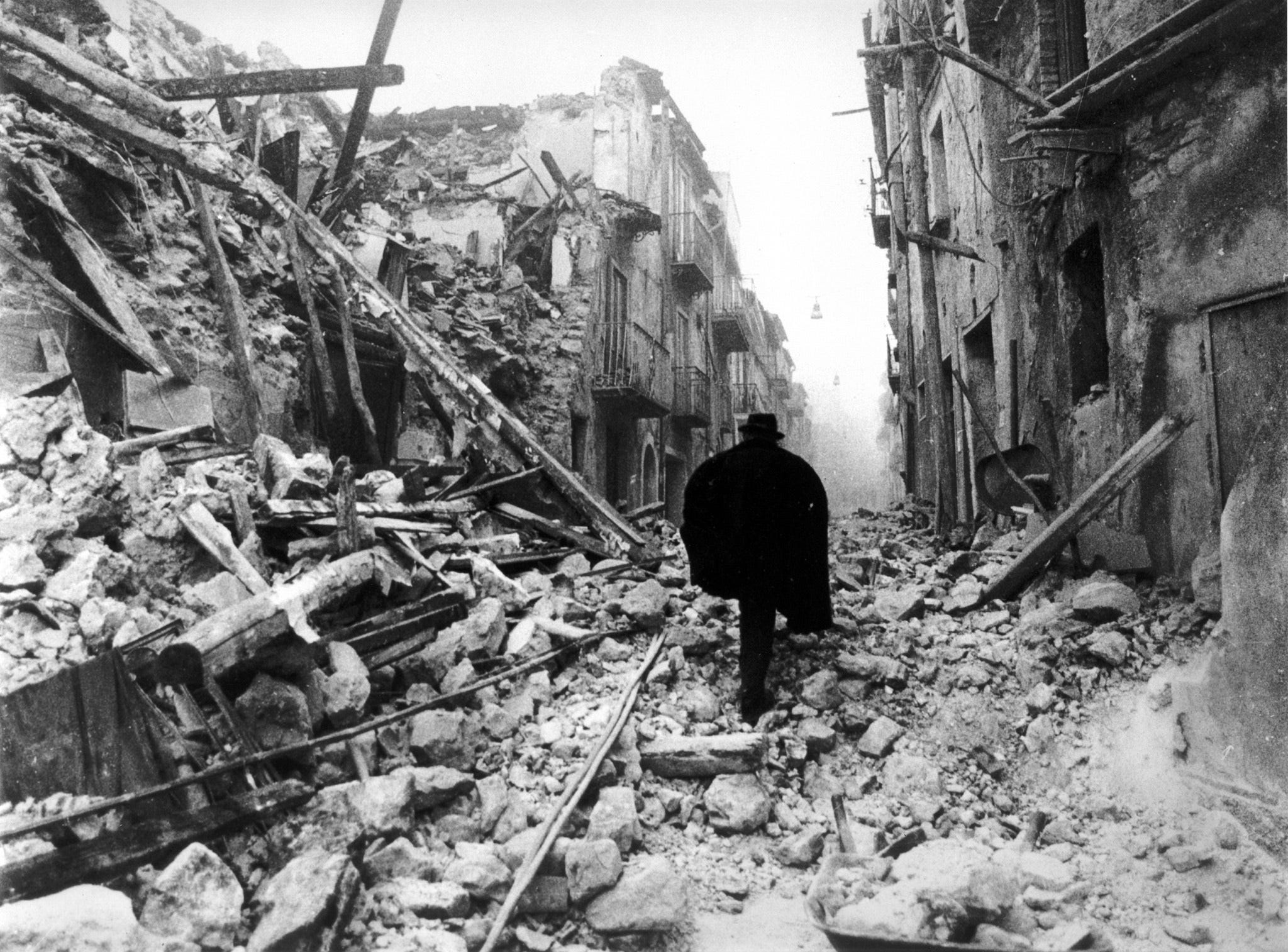
The following day, 23 November, the region was devastated by the Irpinia earthquake, one of the most destructive in modern Italian history. Nearly 3,000 people were killed, thousands more injured and hundreds of thousands left homeless across Campania and Basilicata. Aftershocks and landslides continued for months afterwards.
Amid the devastation, the Todesco family returned north to Verona, taking the salvaged slabs with them. They joined Giovanni’s growing fossil collection in his basement laboratory. For years, Giovanni and his wife, Giovanna, worked on the stones whenever time allowed. The first fragments, some rescued by the children from beneath the approaching steamroller, revealed only a collection of small, incomplete fish. Eventually, they turned to the larger blocks Giovanni had taken from the digger.
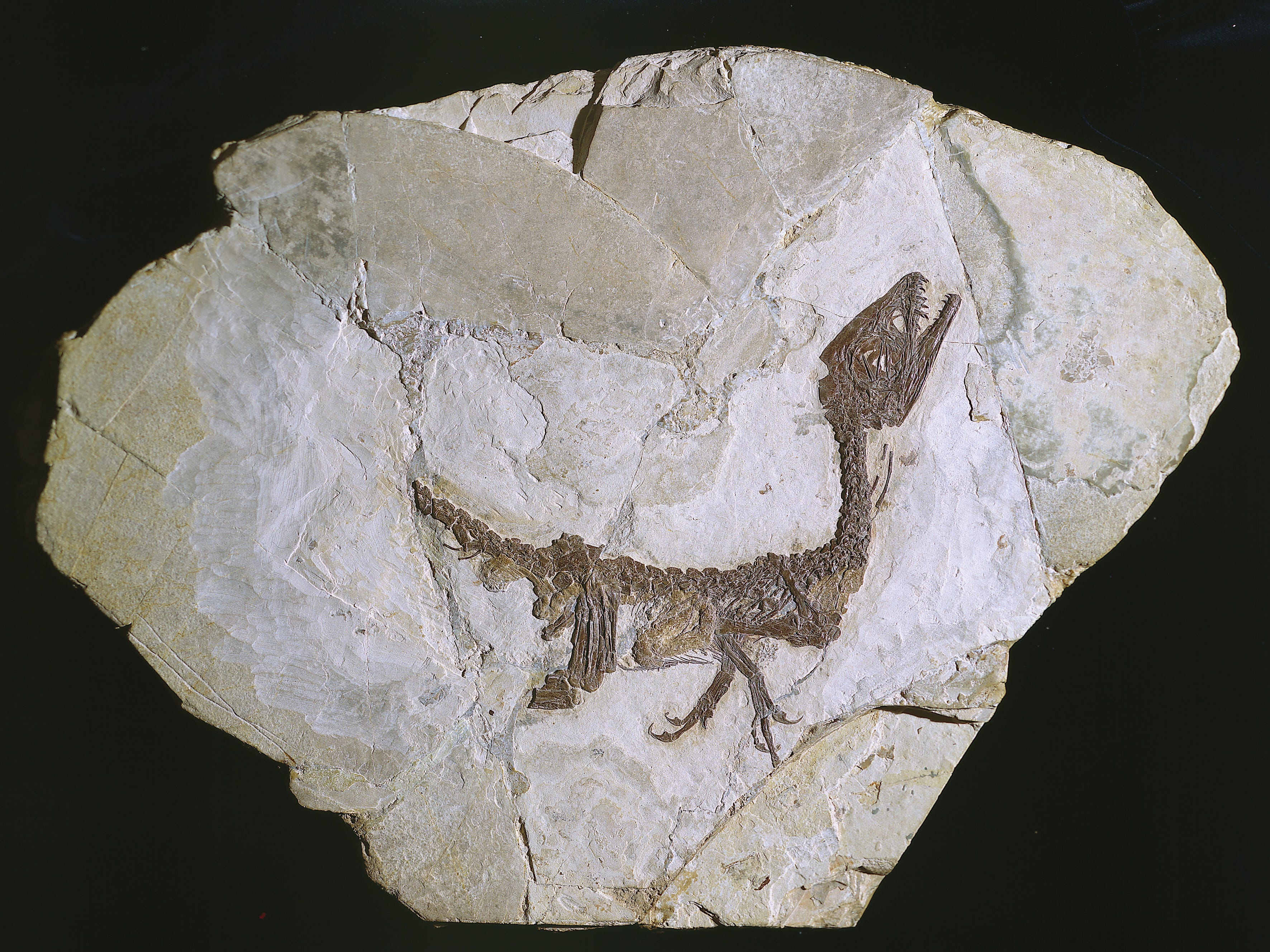
Giovanni and Giovanna matched the slabs together and began carefully, patiently scraping away a centimetre of limestone from above the dark mark he had noticed in the quarry. He fully expected to uncover another fish.
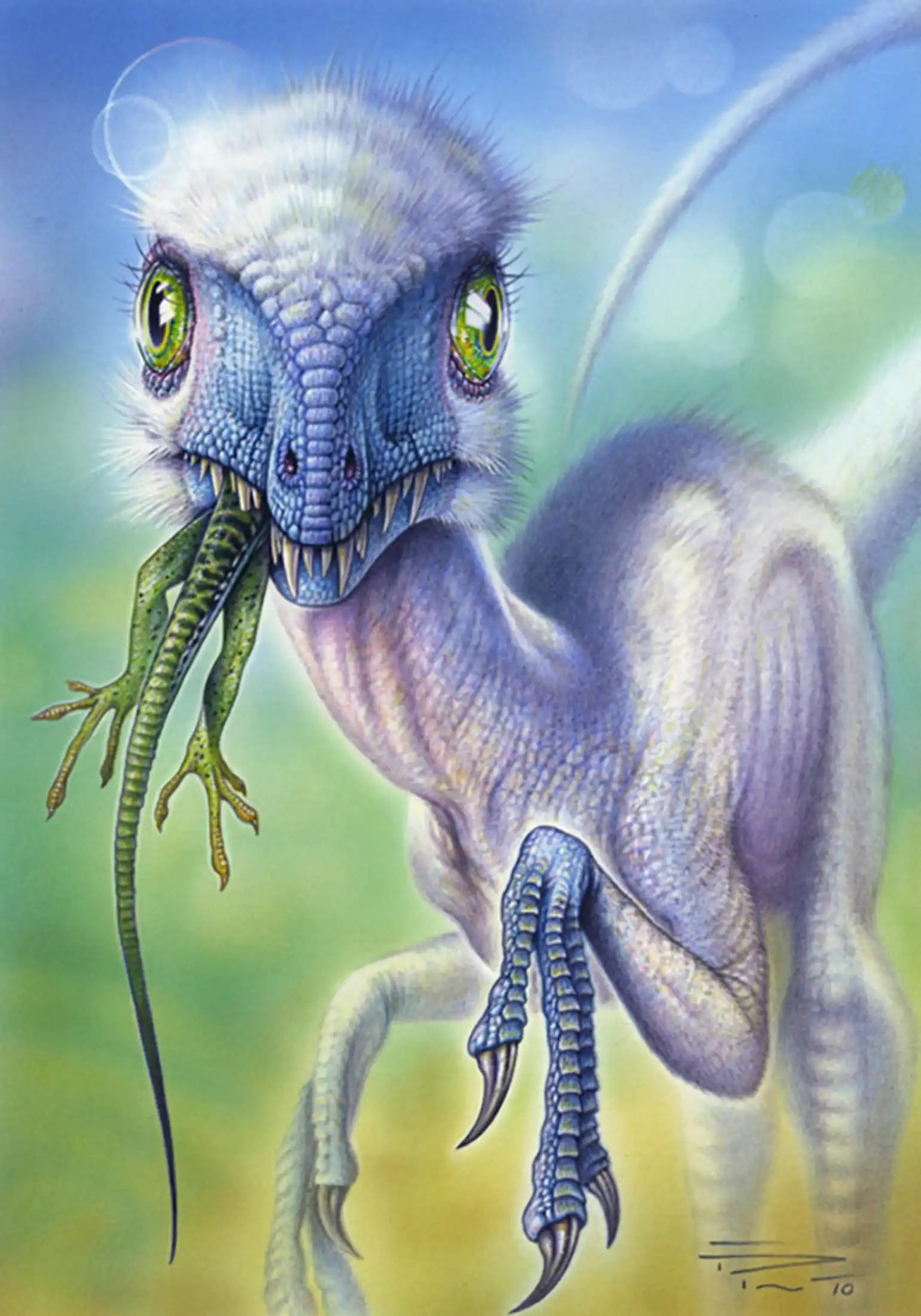
Instead, he found the stump of a tail. Then came a pair of hind legs, their bones and cartilage preserved in remarkable detail. Gradually, over hundreds of hours of painstaking work, more of the creature emerged. There were forelimbs armed with exquisitely preserved claws, like those of a bird of prey. A long neck rose towards a large head with enormous, baby-bird eyes. Its mouth was crowded with sharp carnivorous teeth. Most astonishingly, the creature’s intestines were still visible, together with traces of its final meal.
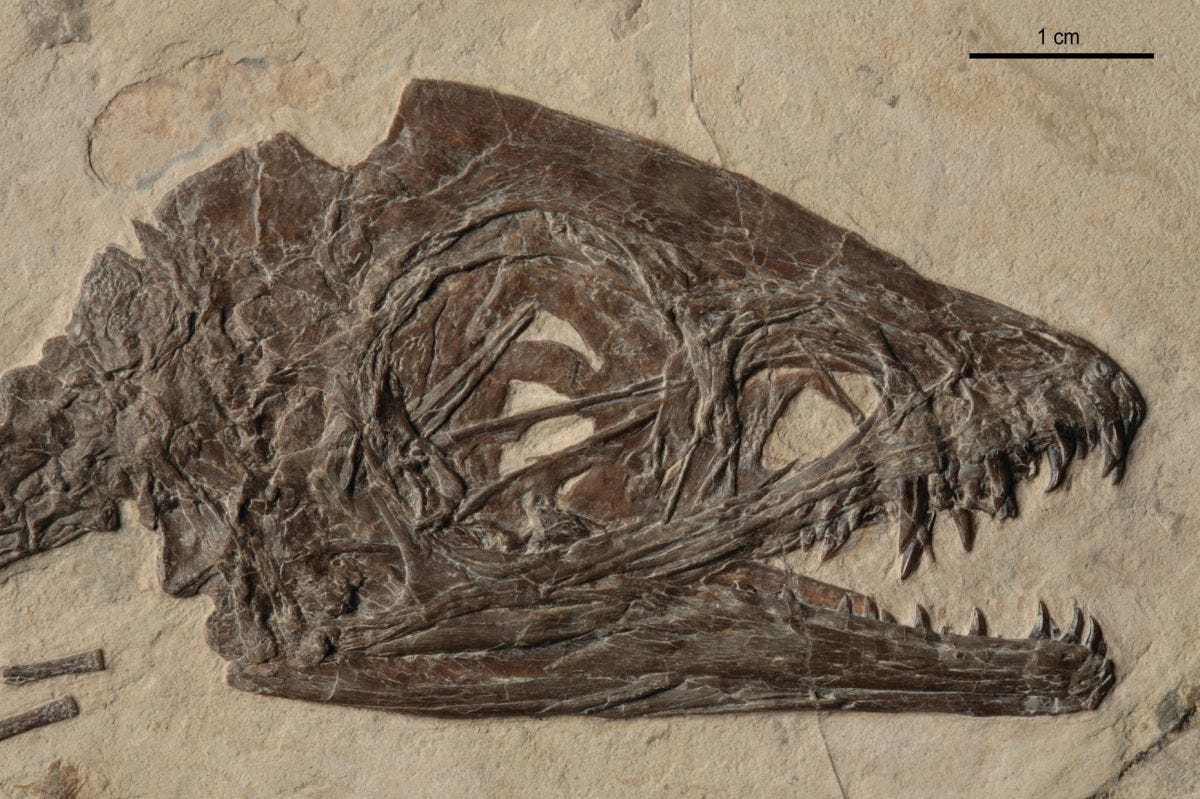
When Giovanni and Giovanna had finished, an immaculate little animal lay exposed in the stone. It was ferocious, birdlike and no more than 23 centimetres long.
But what was it?
The Todescos searched through books, comparing their discovery with other fossils, but found nothing that matched. Their best guess was that it belonged somewhere between a reptile and a bird, perhaps something like Archaeopteryx, the famous fossil that helped reveal the evolutionary relationship between dinosaurs and modern birds. Still, they could not be certain.
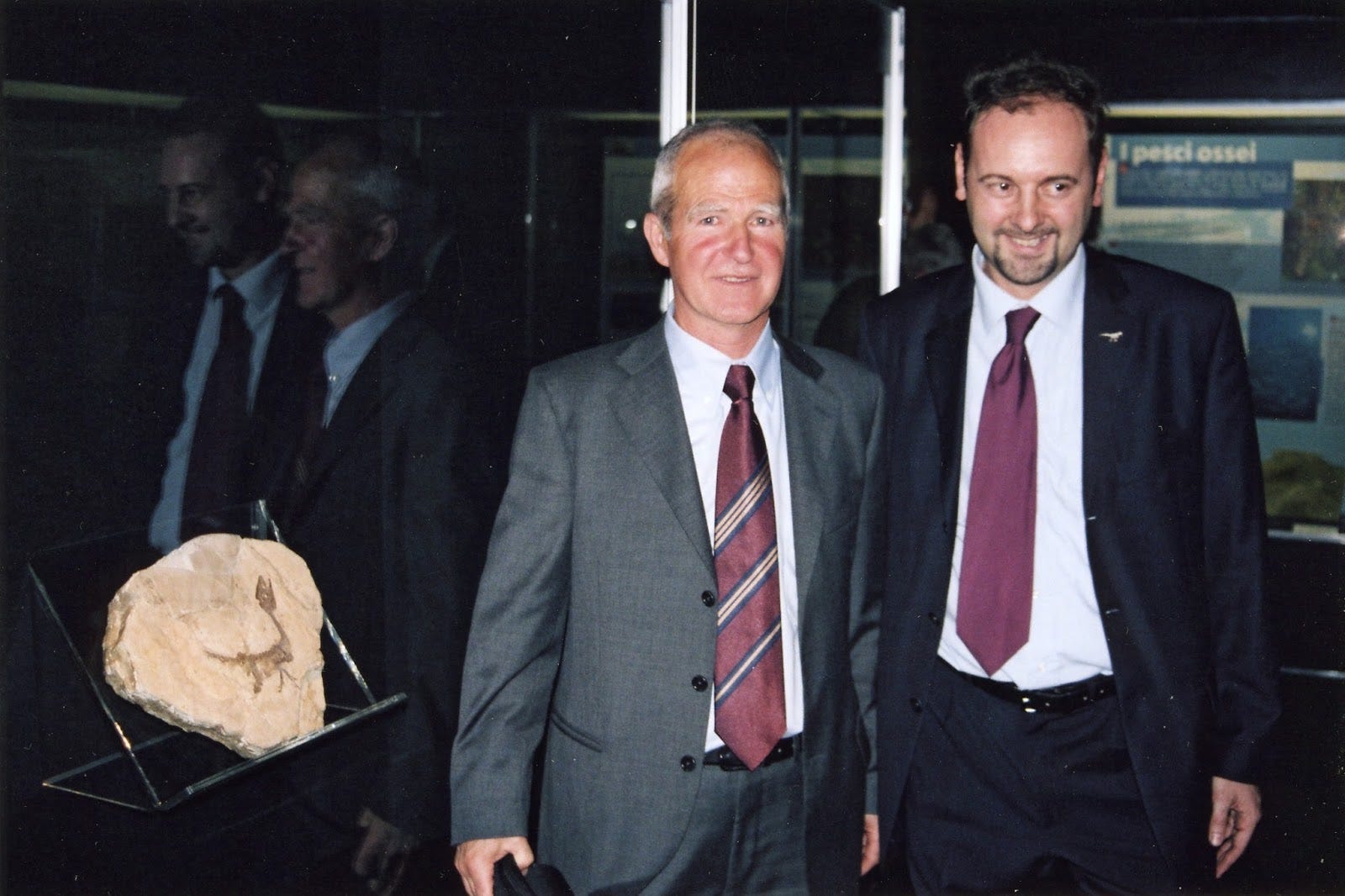
In 1993, Giovanni finally accepted that the fossil might be too important to remain in his basement forever. He contacted Giorgio Teruzzi, curator of vertebrate palaeontology at Milan’s Natural History Museum who, aroused by Giovanni’s words, quickly came to visit them at home .
Standing around the Todesco’s dining table on which the fossil now sat, Teruzzi’s reaction was immediate.
“È lui, è lui!” he exclaimed.
“It’s him!”
Before him lay the first dinosaur fossil ever discovered in Italy.
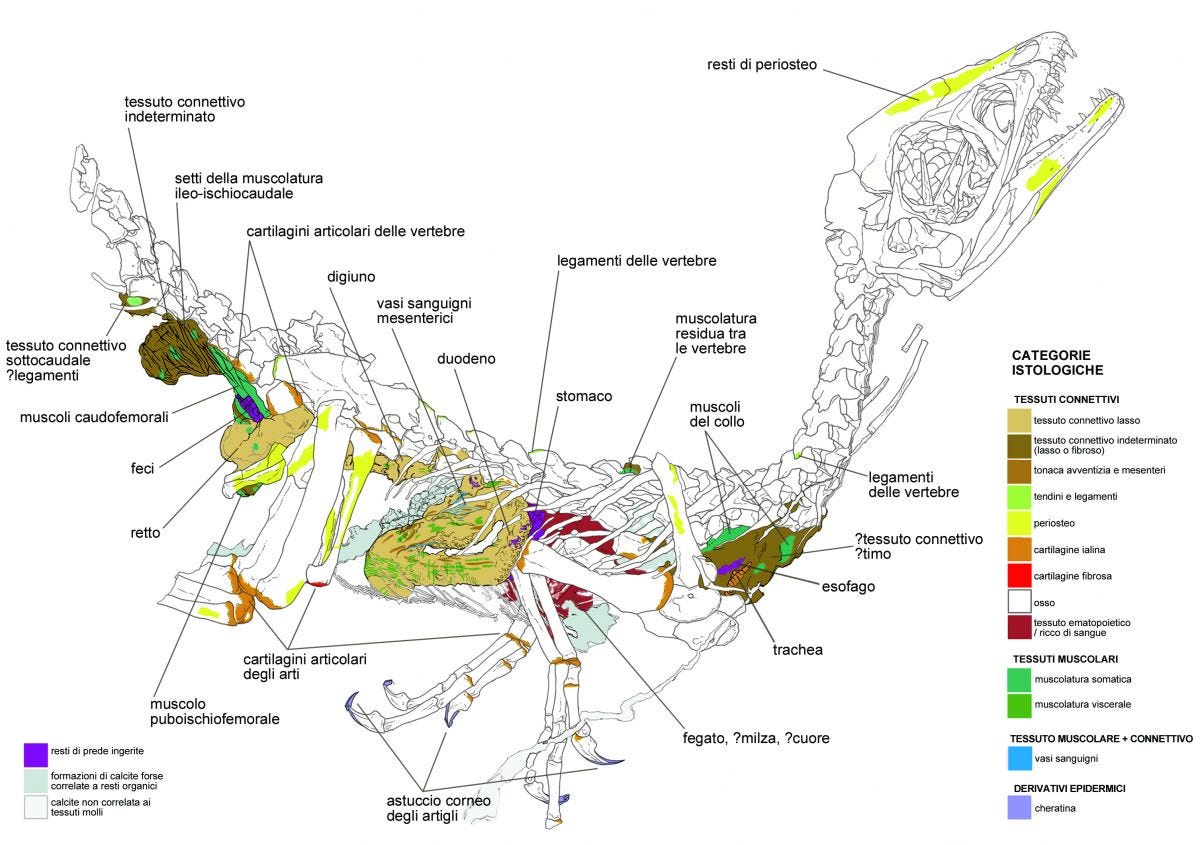
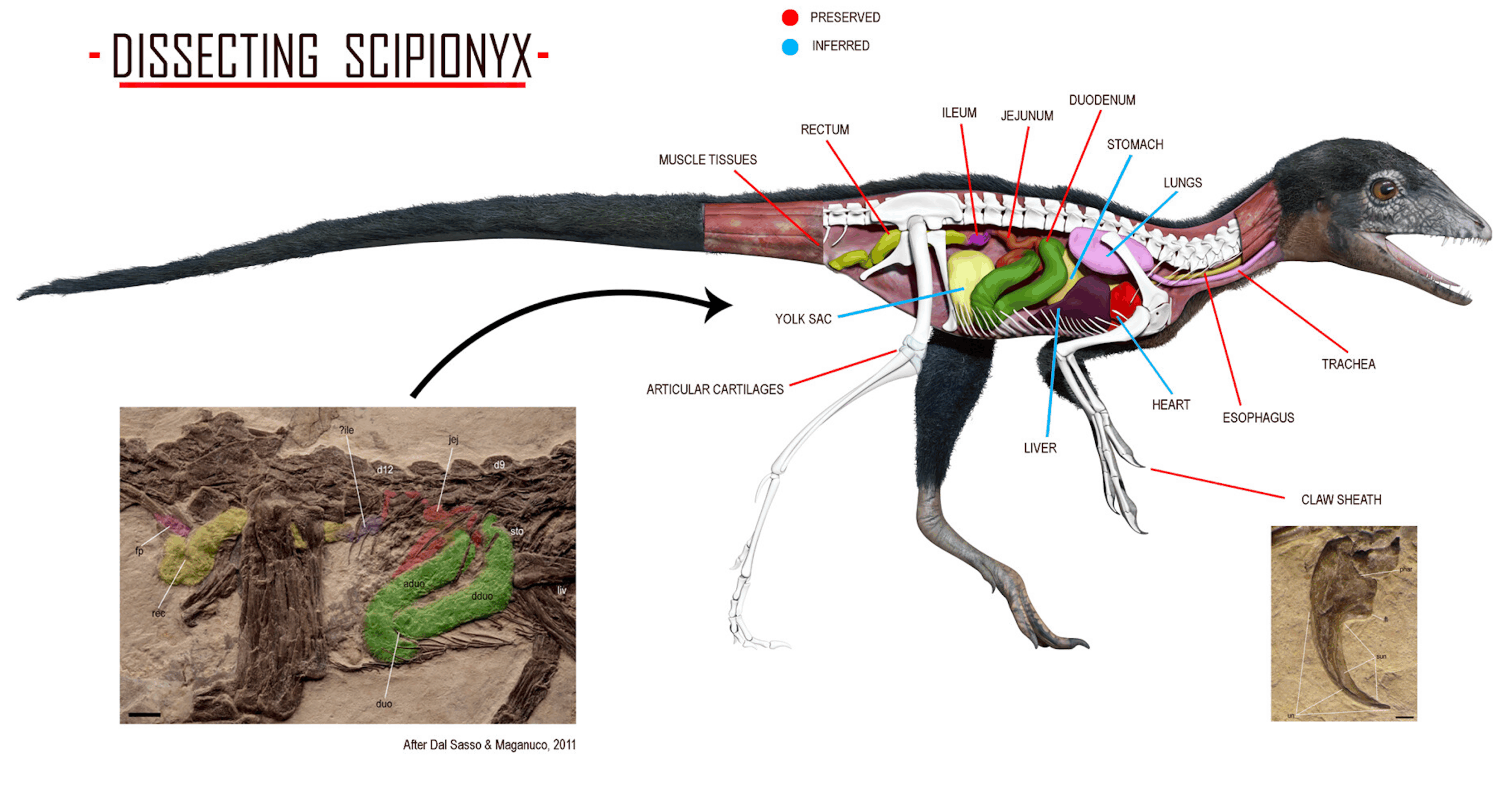
But that was only the beginning. The tiny creature from Pietraroja, soon affectionately known as Ciro, would prove unlike any dinosaur previously found. Preserved within the stone was evidence that would allow scientists to see beneath a dinosaur’s bones and reconstruct aspects of its life with unprecedented intimacy. Later on, Cristiano Dal Sasso and colleagues from the Natural History museum of Milan were able to perform a full autopsy on Ciro, who quickly became an international sensation, making the cover of Nature magazine and newspapers worldwide.
For Giovanni Todesco, however, saving him would bring consequences nobody could have imagined.
This is an abridged extract from This Beautiful Country: How Italy’s Nature Shaped Its Culture and Civilisation.
Links to stories about Ciro (in Italian) are here:
https://www.focus.it/cultura/storia/ciro-primo-dinosauro-italiano-vera-storia
http://dinosauroantonio.blogspot.com/2016/02/incredibile-ho-trovato-il-primo.html
https://www.paleoitalia.it/patrimonio-paleontologico/musei-collezioni-siti/pietraroja/
This Beautiful Country is available to pre-order now.
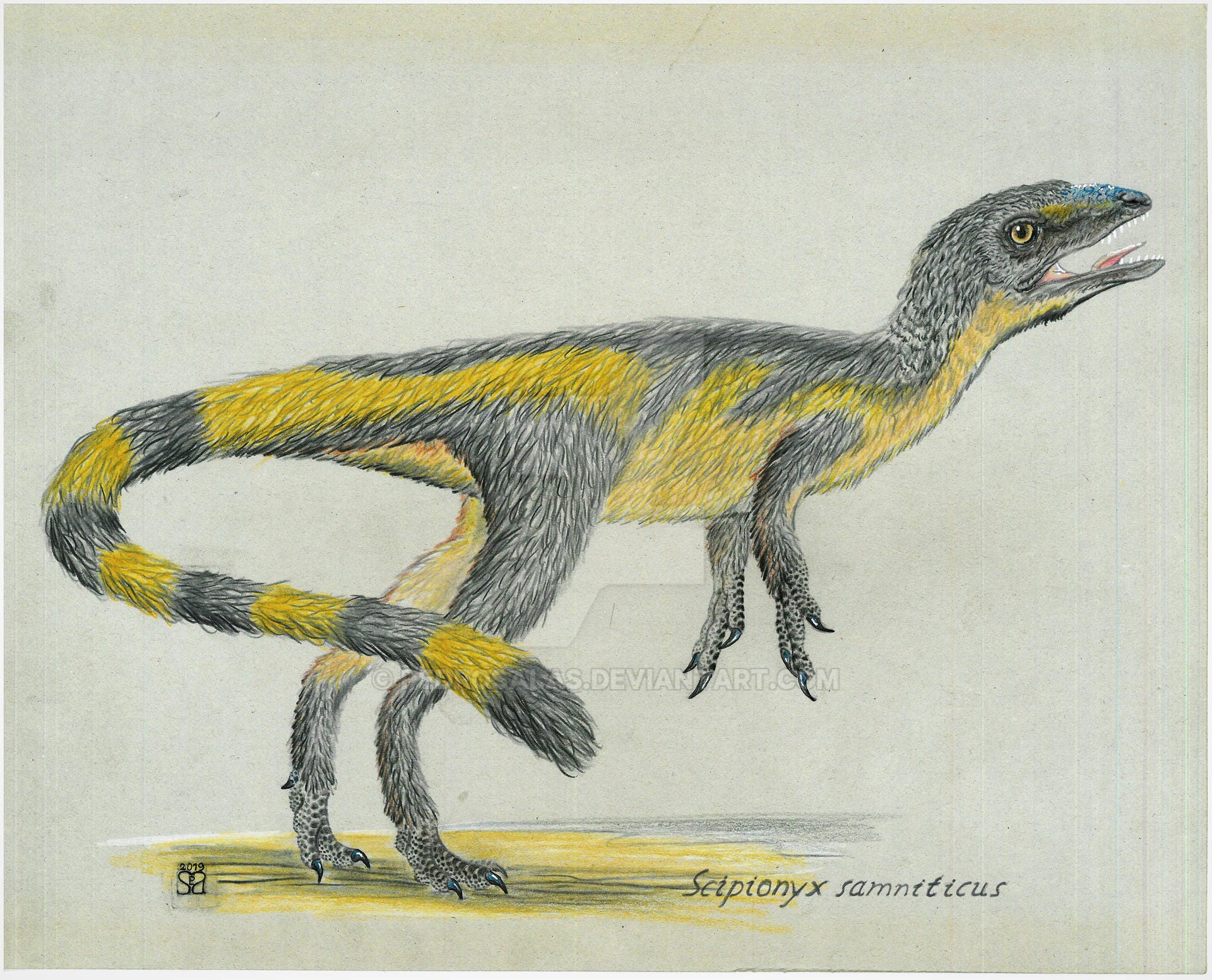
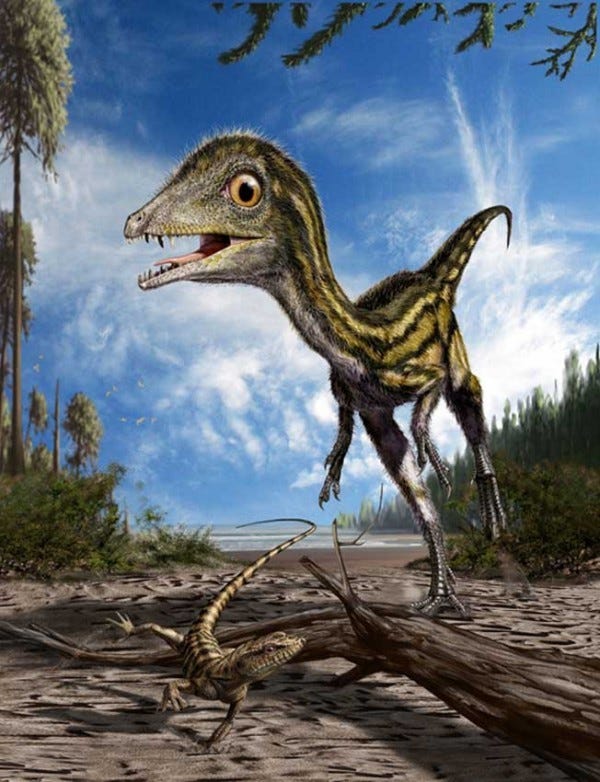
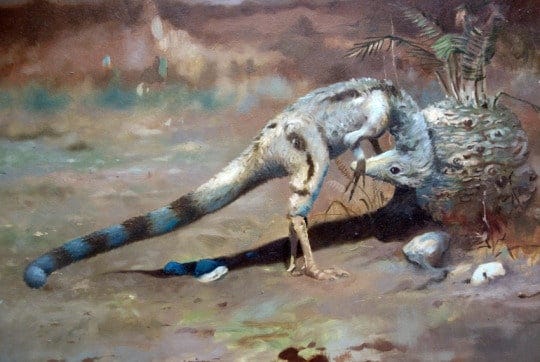
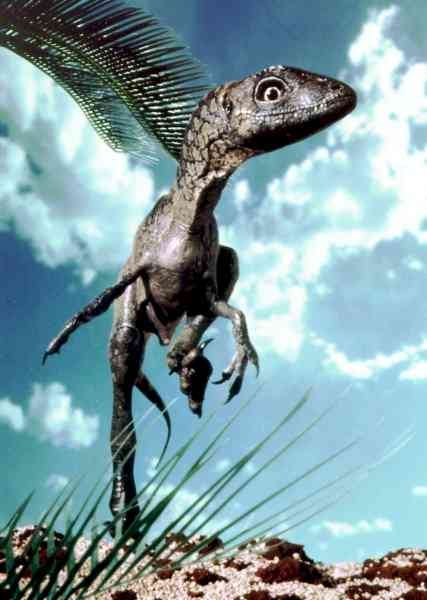
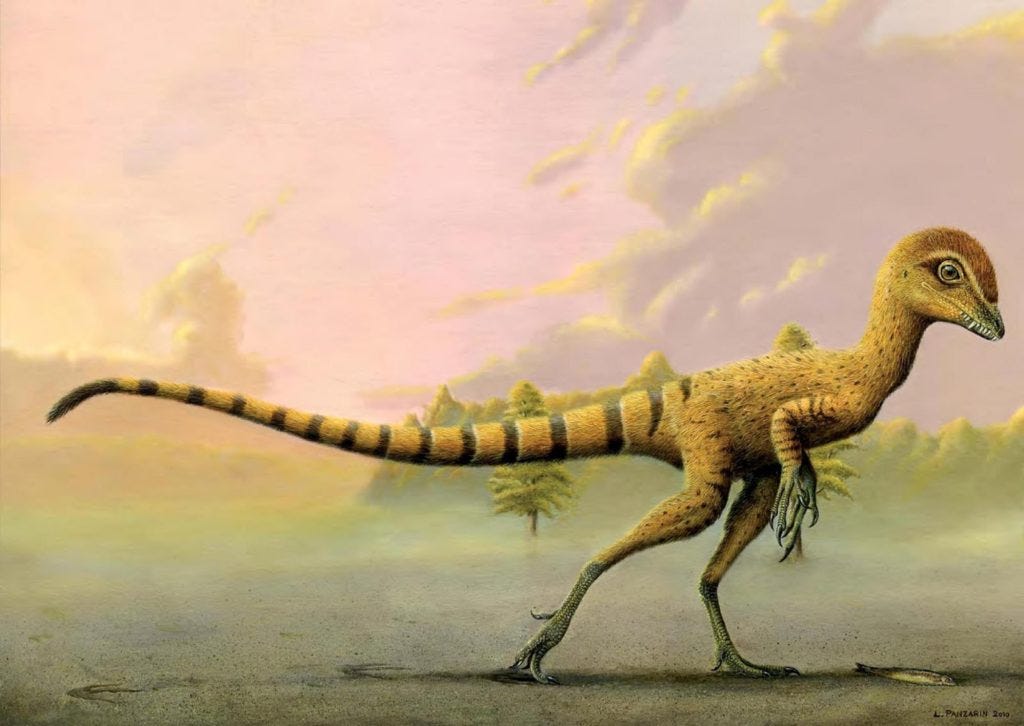
A selection of wonderful paleo art inspired by Ciro here below: